


Petrography is: 3 Important Methods (Thycle incision, XRD, SHEM)

Petrographic understanding, what is seen in the thin incision, the blue resin function, the counting point, as well as the role of XRD and SEM in judging the quality of rock reservoir.


Petrographic understanding, what is seen in the thin incision, the blue resin function, the counting point, as well as the role of XRD and SEM in judging the quality of rock reservoir.
Guide selects geochemistry analysis of rock and oil gradually: TOC and Rock-Eval to screen, kerogen typing and% Ro, then SARA, GC, and GC-MS biomarker.
What is vitrinite reflections (% Ro), Ro's value table for oil and gas windows, way of measuring, reading histograms, Ro and Tmax relationships, as well as its limitations.
Kerogen definition and different types I, II, III, and IV: organic origin, H / C ratio, Hydrogen Index, Van Krevelen diagrams, Maseral, and example in Indonesian basin.
How to rate parent rock oil and gas from three sides: quantity (TOC, S1, S2), quality (HI, kerogen type), and heath (% Ro, Tmax), complete with tables and samples.
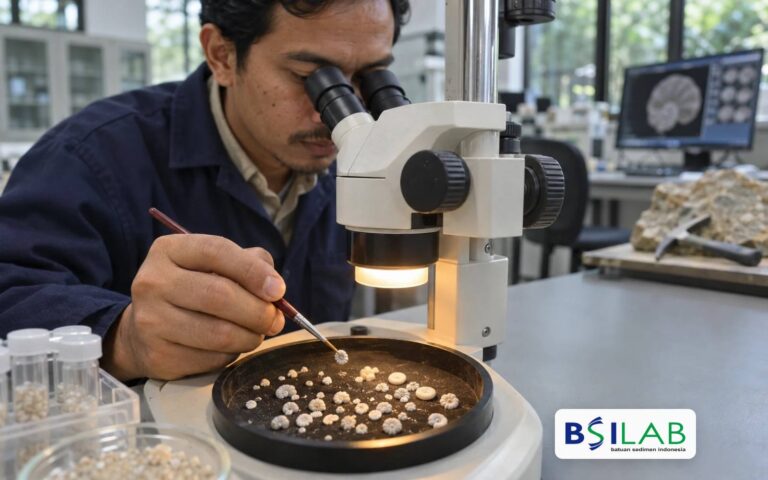
How to determine the age of sediment with biostratigraphy: the principles of living fossils, foraminifera plankton and bentos, nannofossils, analysis steps, and traps on cutting samples.
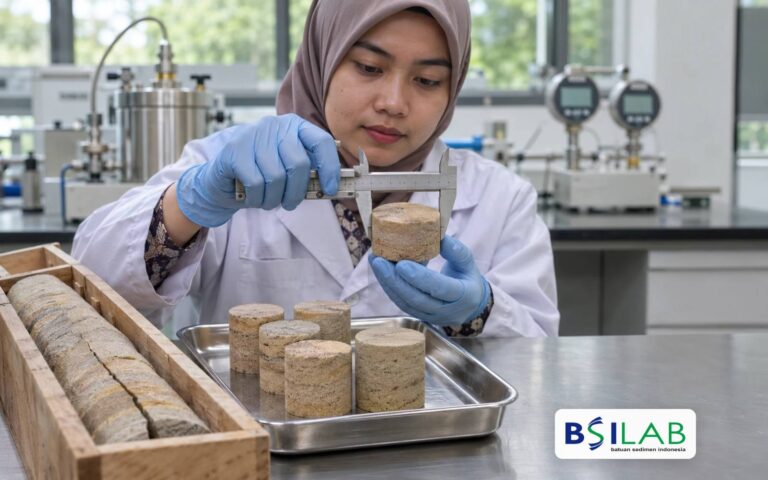
Routine core analysis (RCAL), how to measure porosities and permeability cores, porotity formulas by example, Clerkenberg correction, and RP 40 API references.
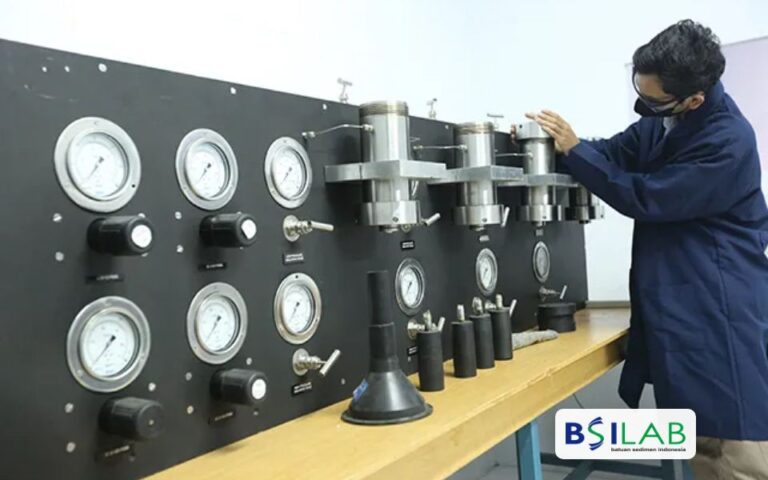
SCAL (Special Core Analysis), in contrast to RCAL, the type of capillary pressure test, relative permeability, validity, and electrical properties, and when SCAL is needed.
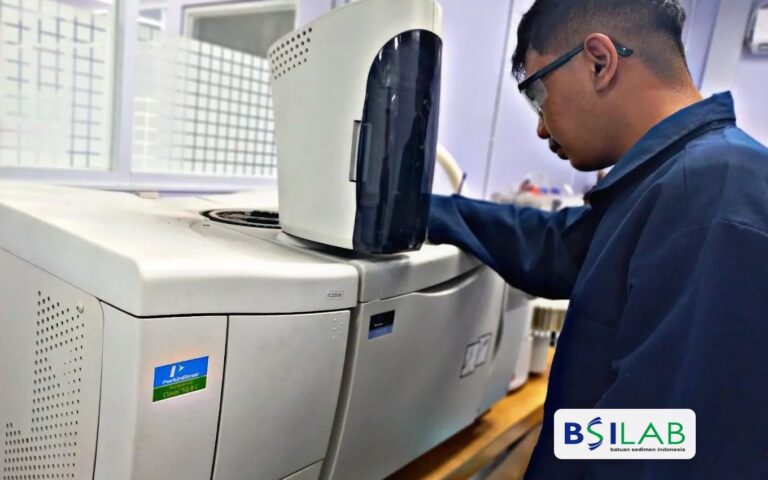
What is an oil biomarker, how to read m / z 191 and m / z 217, the most common parameters, and the application for the oil correlation of parent rocks.
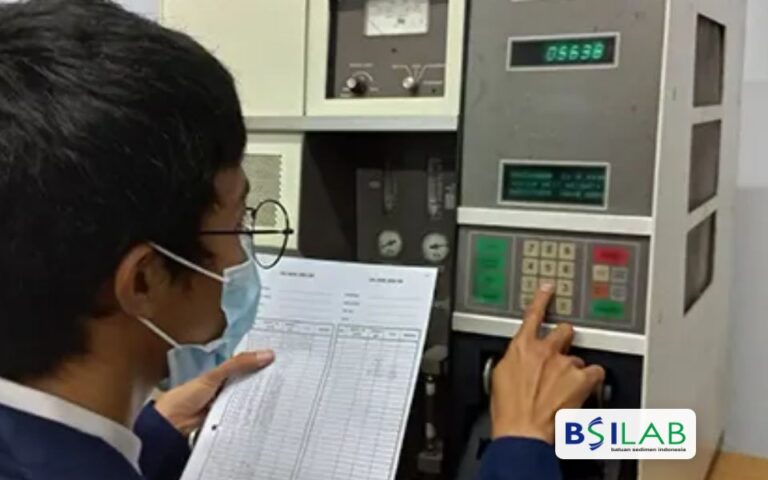
Guide reading the result of Rock-Eval Pyrolysis: meaning of every parameter, HI, OI formula, and PI, table of interpretation, computation samples, and traps that need to be avoided.