


Geochemical Analysis: Full 3 Stage Guide from Screen to Biomarker · Global Voices
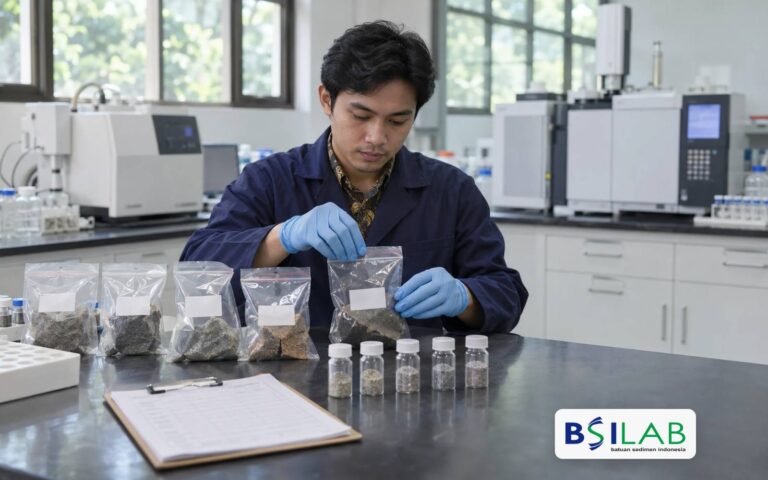
Guide selects geochemistry analysis of rock and oil gradually: TOC and Rock-Eval to screen, kerogen typing and% Ro, then SARA, GC, and GC-MS biomarker.

Guide selects geochemistry analysis of rock and oil gradually: TOC and Rock-Eval to screen, kerogen typing and% Ro, then SARA, GC, and GC-MS biomarker.
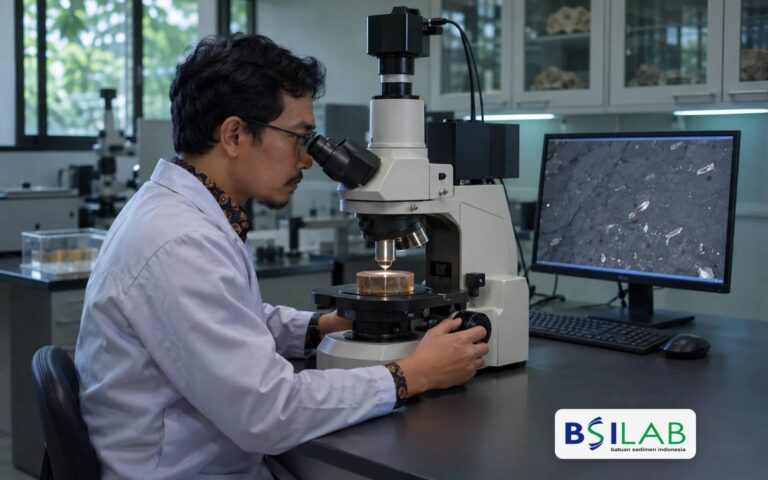
What is vitrinite reflections (% Ro), Ro's value table for oil and gas windows, way of measuring, reading histograms, Ro and Tmax relationships, as well as its limitations.
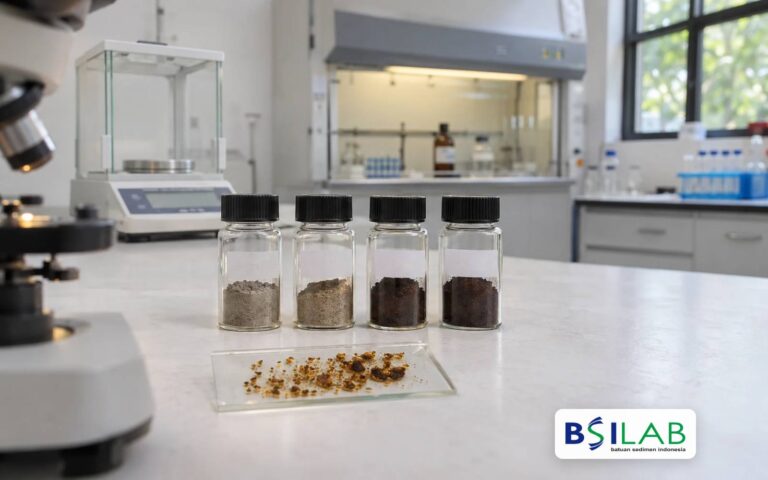
Kerogen definition and different types I, II, III, and IV: organic origin, H / C ratio, Hydrogen Index, Van Krevelen diagrams, Maseral, and example in Indonesian basin.
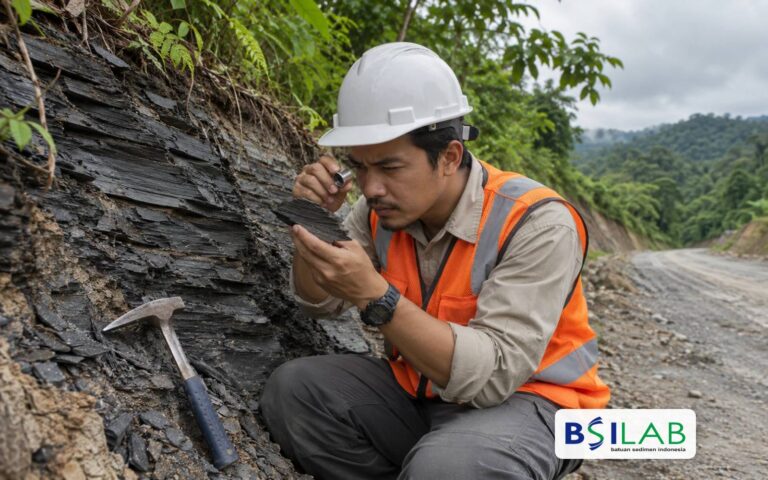
How to rate parent rock oil and gas from three sides: quantity (TOC, S1, S2), quality (HI, kerogen type), and heath (% Ro, Tmax), complete with tables and samples.
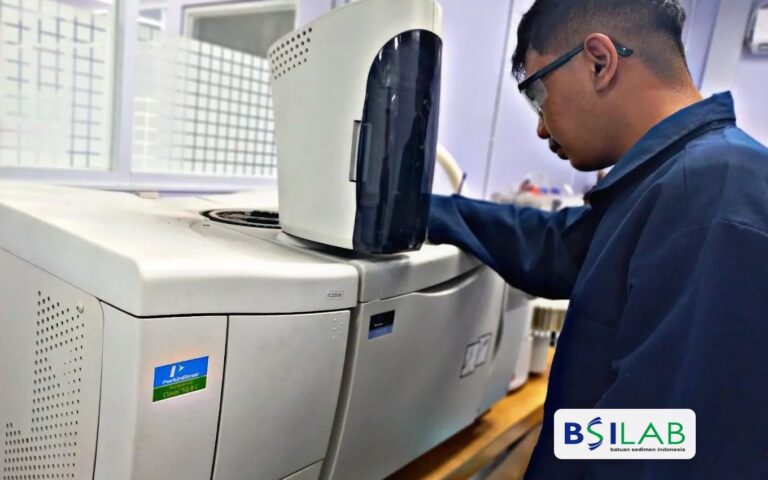
What is an oil biomarker, how to read m / z 191 and m / z 217, the most common parameters, and the application for the oil correlation of parent rocks.
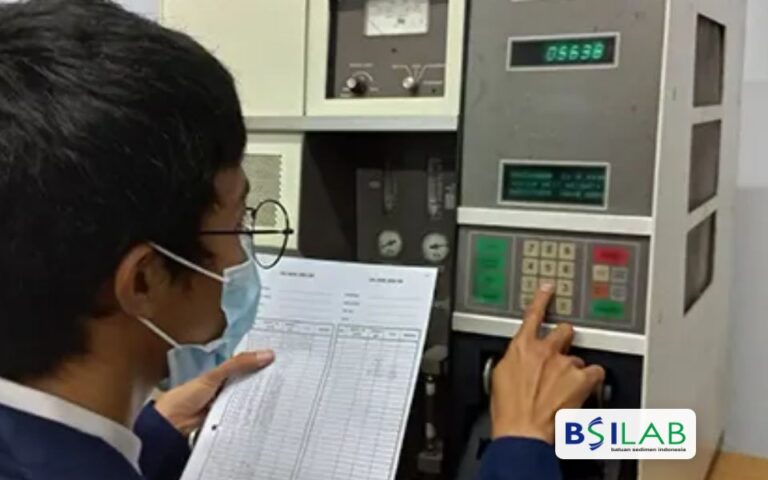
Guide reading the result of Rock-Eval Pyrolysis: meaning of every parameter, HI, OI formula, and PI, table of interpretation, computation samples, and traps that need to be avoided.
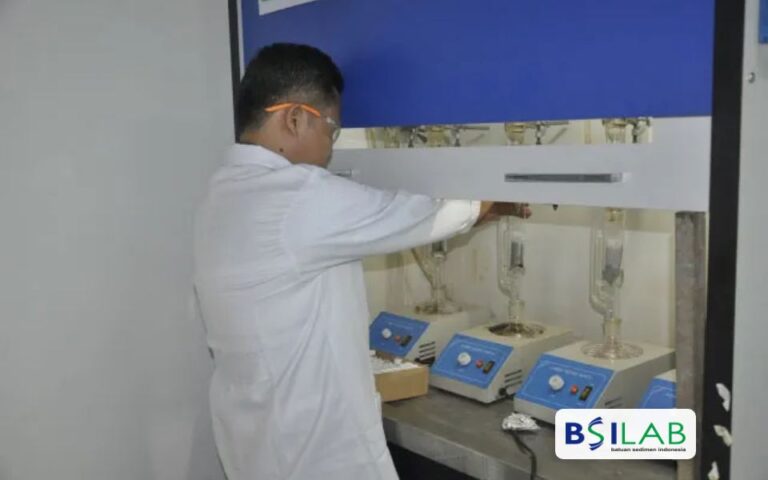
TOC (Total Organic Carbon) in geological oil, the way it improves, the table of interpretation, the difference between TOC today and the early TOC, and the usual interpretation errors.
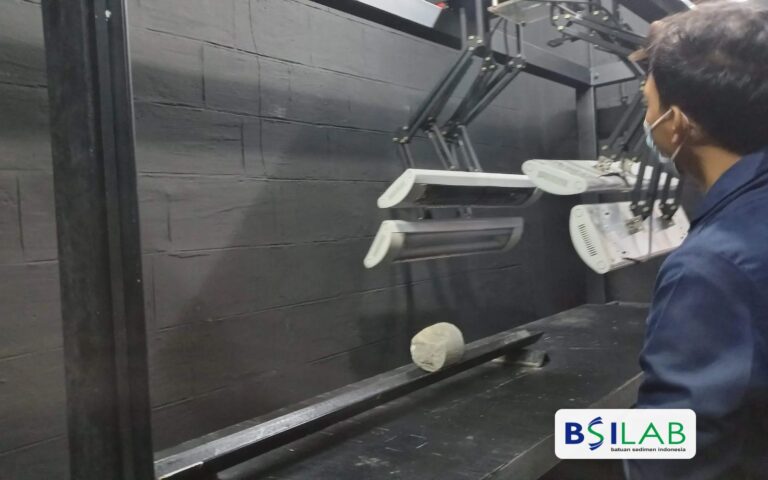
Geochemistry is a branch of invisibility that studies the chemical composition of rock, minerals, water and fluid and processes that transform it. In the exploration of oil and gas, geochemistry is used to judge parent rocks—How rich is the organic material, the type, and the beauty.—and trace the origin of the oil...