Not all samples need to be analyzed by all methods. The safest way to do it. geochemistry analysis of rock and oil is increment: This guide helps you choose analysis based question to answer, not according to the price list.
- Start with the question: organic material rich? Oil or gas? Where's the oil?
- Stage 1 (screaming):
- Stage 2: kerogen typing and vitrinite reflection on the selected sample.
- Stage 3: extraction, SARA, GC, and GC-MS biomarker for detail and correlation.
Start with the questions, not the analysis list
| Your question | Right analysis. | Sample type |
|---|---|---|
| Are these rocks pretty rich in organic material? | TOC | Rock (cutting, core, frame) |
| What's the hydrocarbon potential and the cryo type? | Rock-Eval Pyrolysis (S1, S2, HI, OI) | The rocks with TOC are adequate |
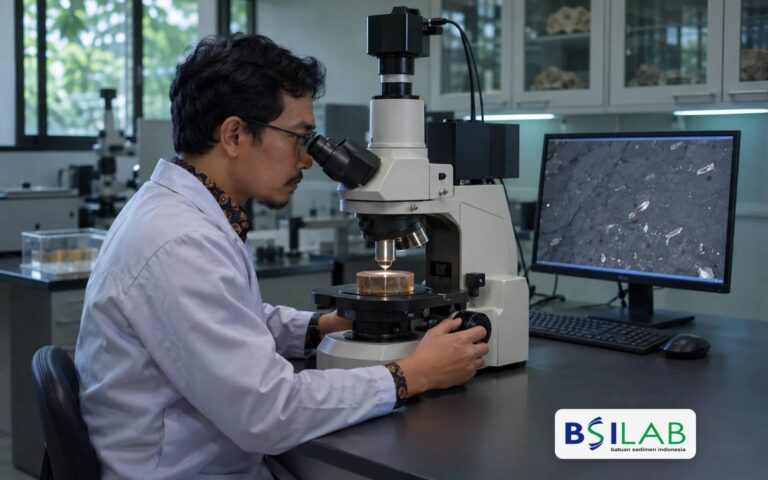
| Is it from algae, plankton, or land plants? | Kerogen typing | The chosen stone |
| Have rocks cooked and produced oil? | Vitrinite reflection (% Ro) + Tmax | The chosen stone |
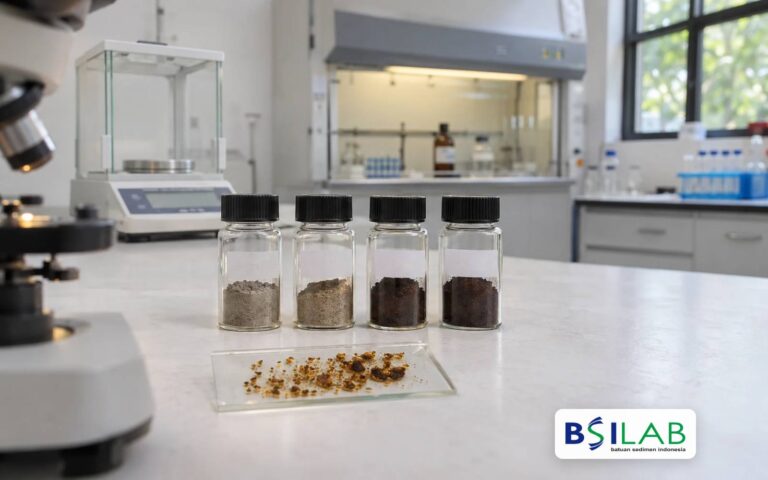
| How's the composition and the oil character? | SARA + GC | Oil or rock extract |
| What's this oil coming from? | GC-MS biomarker | Oil + extract parent rock |
Stage three approach
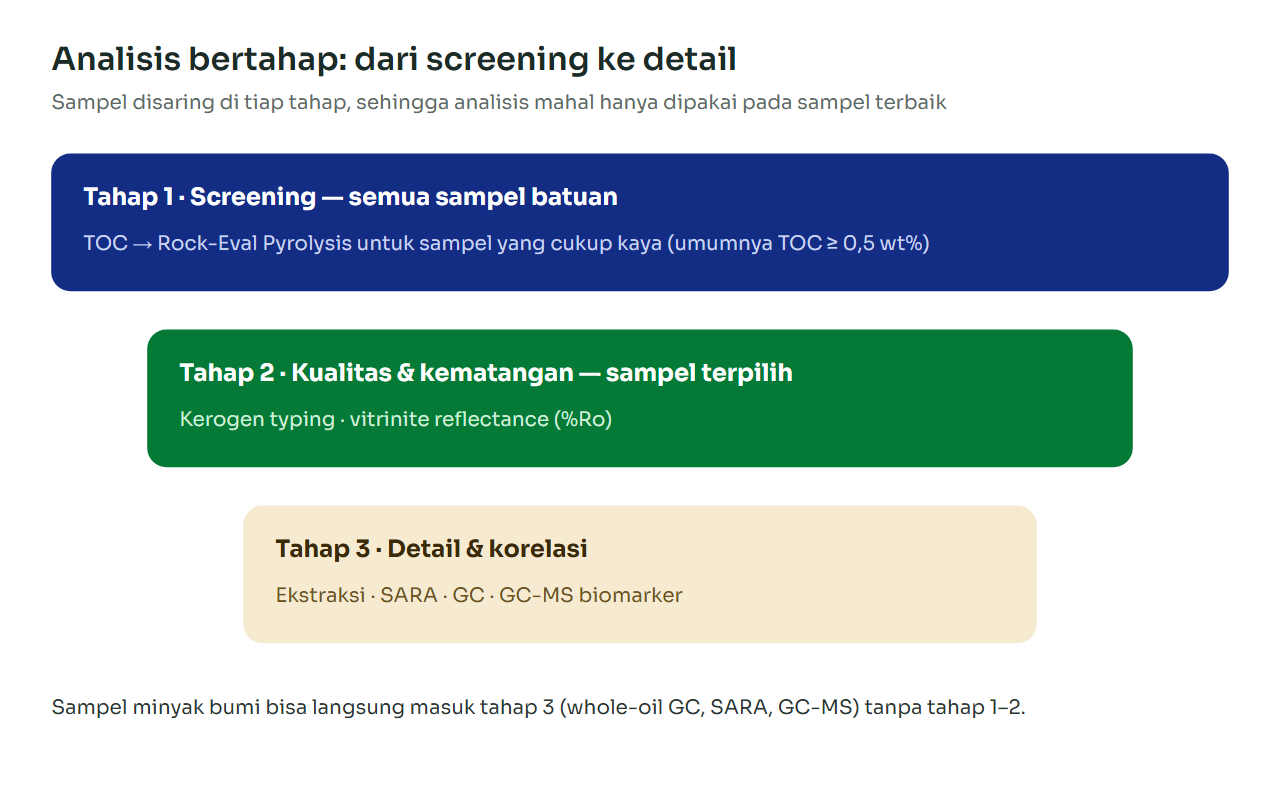
Stage 1 — Screen: all samples
Measure TOC on all the rock samples. Sample with adequate TOC (as a general guide, around 0.5 wt% or more for shafts) continued to Rock-Eval Pyrolysis to get potential (S1, S2), the kerogen type (HI, OI), and indications of maturity. From this stage you can already map which intervals are potentially the parent rocks. How to read the results is explained in TOC is and S1, S2, S3, and Tmax.
Phase 2 — Quality and maturity: selected samples
Select samples representing every potential interval. Kerogen typing Confirm the visual type of kerogen, and vitrinite reflection Provides a more reliable position than Tmax, especially when it's underage. At this stage the question of "oil or gas" and "already or not" can be answered with certainty. Look How to judge the parent rocks to combine all parameters.
Stage 3 — Details and correlation
The best motherland extracted to get bitumen. Extractions and oil samples separated into saturate, aromatic, resin, and asphalt (SARA), analyzed with GC To see the spread, then to GC-MS For biomarkers like hopane and sterana. From here it can be determined the environment of suppressing parent rocks, the rate of oil rigidity, biodegradation, and The oil correlation with the parent rocks..
Special case
- Just got an oil sample. — straight to stage 3: wholeThe oil biomarker has been able to lead to the type of rock the host and its chemistry, although its parent rocks have yet to be found.
- Short sample — Pick the freest rocks. The applause lowers TOC and HI, so the screen results can underestimate its true potential.
- Sample cutting — Inform the type of drilling mud used, because oil-based mud can counteract S1 and extraction results.
- Student research — With limited budget, this incremental strategy is most efficient. Look service for research and final task.
Information to prepare for consulting
- The purpose of study — The screening of parent rocks, oil correlation, rigidity studies, or academic research.
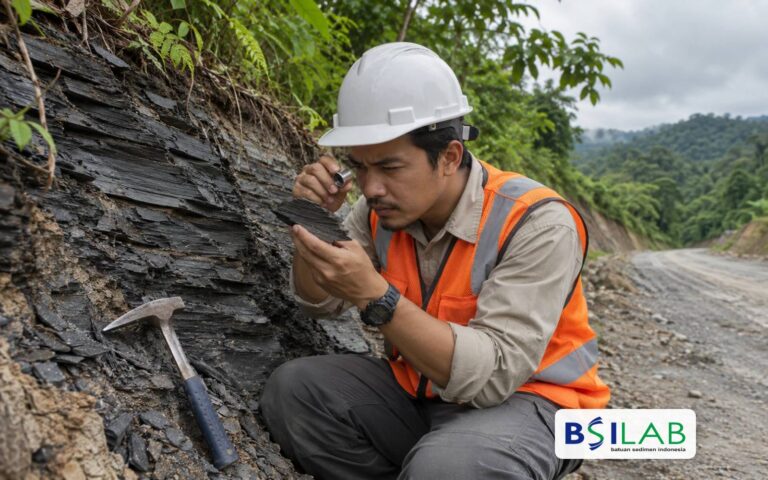
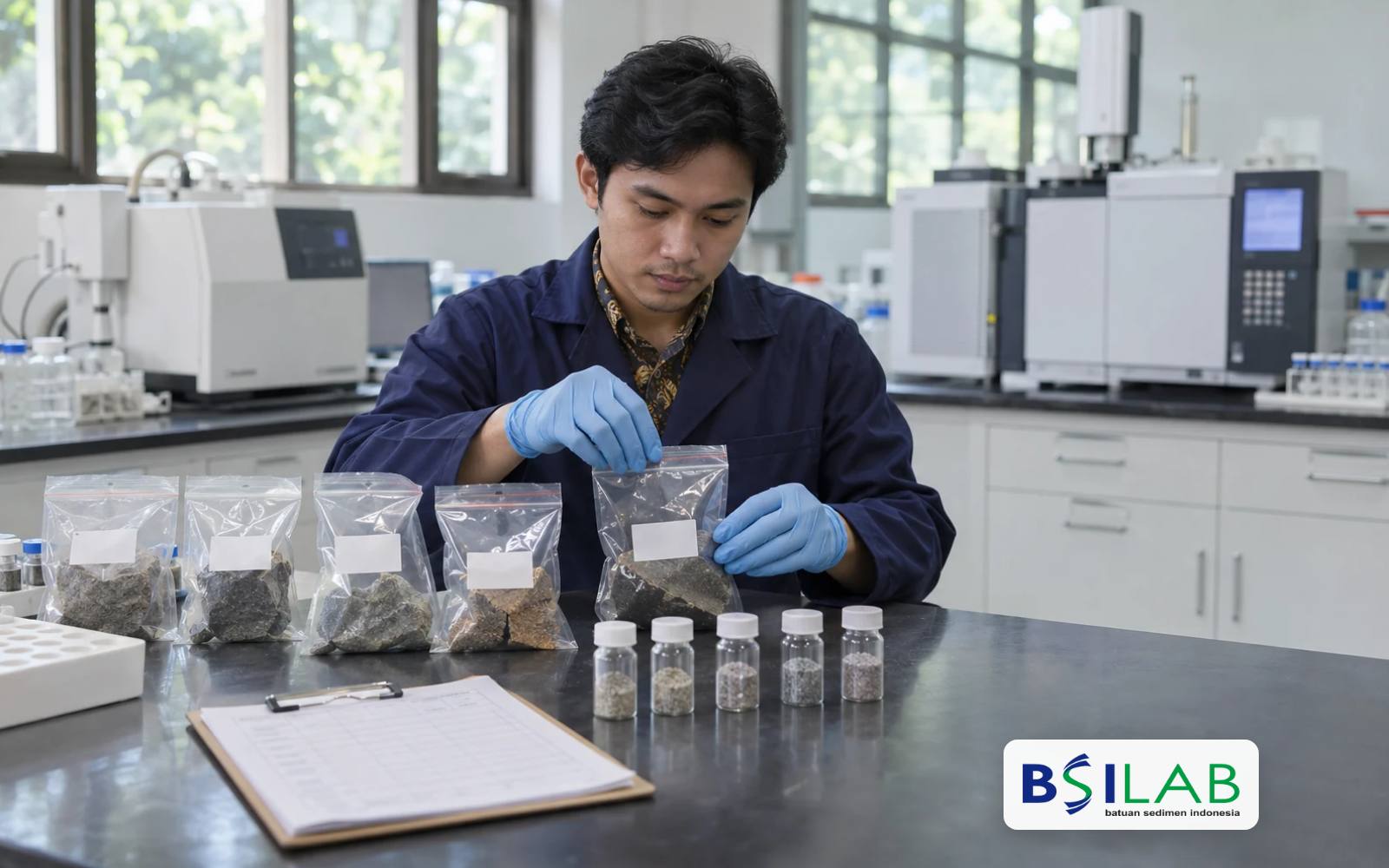
- Sample List — code, type (cutting, core, frame, oil), depth or coordinates, and lithology.
- Existing data — Previous analysis, log wells, or type of drilling mud.
- Timeout — So that the order of analysis can be arranged according to your report needs.
Send a list of samples, we'll help you with the analysis plan.
Tell me the purpose of your study and the number of samples. The BSILAB team will propose the most efficient order of analysis.
Questions often asked
What was the first geochemistry analysis done?
The first analysis is usually TOC in all the rock samples because it's fast and cheap. A pretty rich organic sample then followed by the RockEval Pyrolysis to assess potential, the type of kerogen, and the indication of rigidity.
Do all samples need to be analyzed by GC-MS?
No. GC-MS biomarker is generally only done on oil samples and the best parent rocks of screen results. The incremental approach saves costs without reducing the quality of the conclusion.
Can we just analyze the oil sample without the rocks?
I can. The oil samples can be analyzed instantly with whee-oil GC, SARA, and GC-MS biomarker. The results led to the environment of suppressions of parent rock, rigidity and the level of the oil biodegradation.
What's the difference between rockeval and vitrinite reflection for rigidity?
Rock-Eval gives Tmax fast from pyrolysis, while vitrinite reflections measure the reflection of vitrinite particles under the microscope. Vitrinite reflections are more reliable when underage, while Tmax is useful when vitrinit is unavailable. They're both ideal checks.
Peters, K.E. & Cassa, M.R. (1994). Applied Source Rock Geochemistry. AAPG Memoir 60. · Peters, K.E., Walters, C.C. & Moldowan, J.M.. The Biomarker GuideCambridge University Press.