


SARA analysis (Liquid Chromatography)
SARA Analysis Service (Liquid Chromatography)
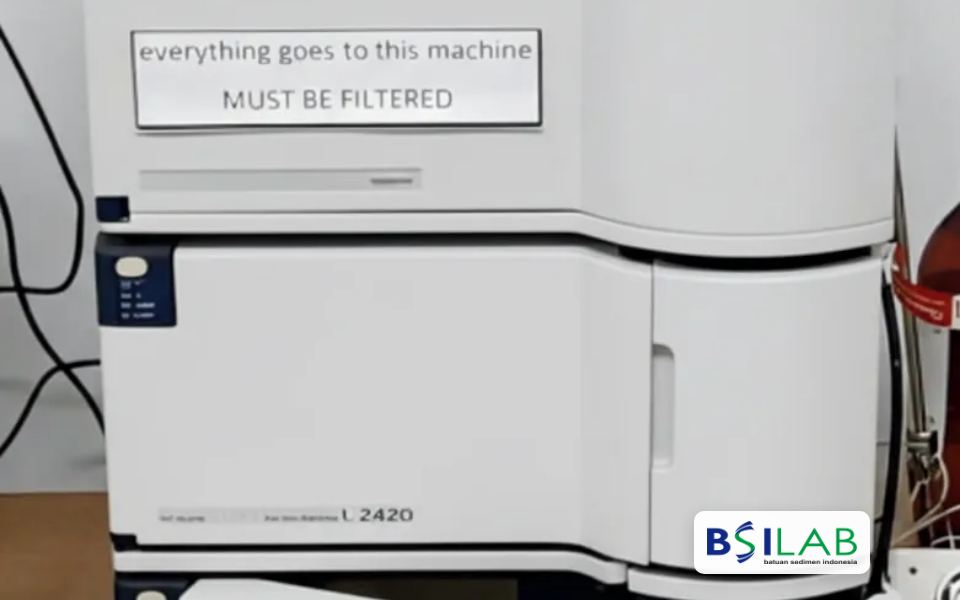
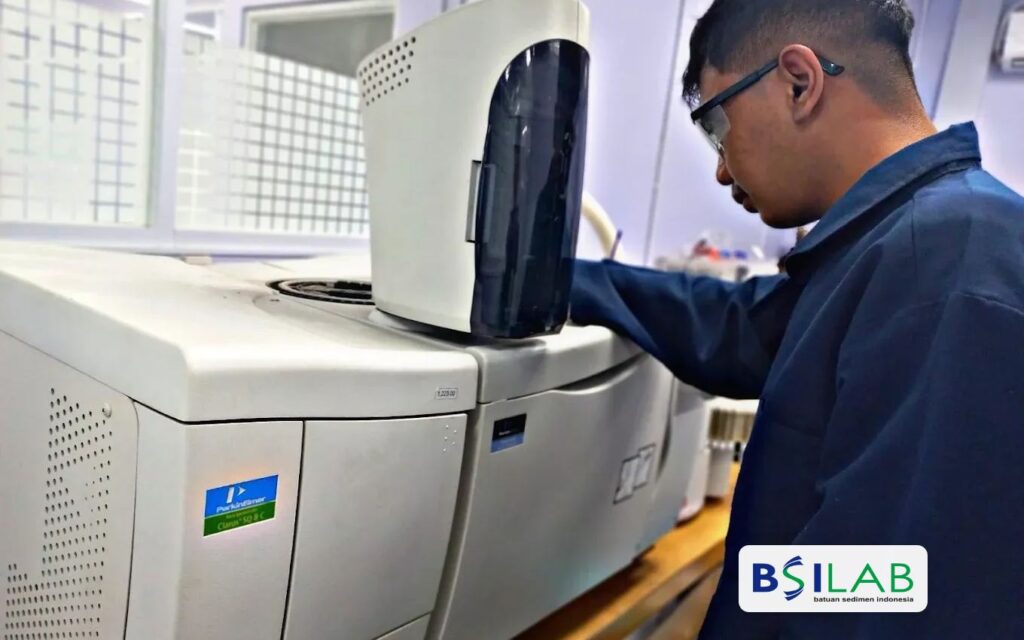
SARA analysis (Liquid Chromatography) separating oil or extracting rocks into four groups of compounds: One, three, three.. These four fractions have described the character of oil.—light or weight, fresh or biodegraded—while preparing clean fractions for analysis GC & GC-MS biomarker.
What's a fraction of SARA?
| Faction | Main content | Which is readable |
|---|---|---|
| Saturate | n-alkana, isoprenoid, cykloalkana, sterana & hopana | The source of organic, rigorous, biodegradation; the main ingredients of GC and GC-MS |
| Aromatic | Benzene coined compound, aromatic sterana, fenantrena | Thermal heat and correlation |
| Resin | Polar compound contains N, S, O | Oil alteration levels; aspalten stabilizers |
| Appalten | Big polar molecules, not dissolving in mild nalkana | Heavy oil, risk silencing in wells and pipes |
How to read SARA results
| Results pattern | General indications |
|---|---|
| High saturate, low asphalt | Light oil, generally ripe and unbiodegraded |
| saturate ratio decreased, resin & aspalten rose | Possible biodegradation or oil from undercooked parent rock |
| High Appalten | Heavy oil; needs attention on the risk of silencing |
| Colloidal Instituity Index (CII) = (Saturate + Asplaten) / (aromatic + Resin) | Value > 0.9 is often used as indication of unstable asphalt; < 0.7 is relatively stable |
Read too: Geochemical Analysis Choice
Interpretation is always read with GC data, GC-MS, and field context; one ratio does not stand alone.
When's the SARA analysis gonna take place?
- Raw and condensate oil characterization of the exploration wells and production.
- Extract of parent rock already through analysis TOC and Rock-Eval.
- A series of oil correlation - parent rocks together GC & GC-MS.
- Biodegradation evaluation in superficial reservoir.
- Initial assessment of the risk of appalten intercept on heavy oil.
Need an analysis of SARA?
Consult sample types (oil, condensate, or rock extract) and continued series of analysis with BSILAB geochemistry teams.
Questions often asked
What's an analysis of SARA?
SARA analysis is the separation of petroleum or the extract of rock into a fraction of one-on-one, aromatic, resin, and asplaten using appalent detachment and chromatography columns. Percentage of each fraction shows the character of oil, biodegradation, and sets up samples for GC and GC-MS analysis.
What's the difference between SARA and GC-MS?
SARA separates the samples into four large groups of compounds and measures its proportions. GC-MS analyzes the compounds one by one inside the fractions, especially the biomarker. That's why SARA is usually done first, then the saturate and aromatic fractions are forwarded to GC-MS.
What's a Colloidal Instability Index?
Colloidal Instituity Index or CII is a comparison of the number of saturate and asphalt to aromatic and resin of SARA results. The value above 0.9 is often used as indications of aspalten tends to be unstable and potentially skulking in wells or pipes.
Can SARA do on a rock sample?
I can. On rock samples, organic materials are extracted first with organic solvent. The extract was then separated into parts of the SARA, so the results could be compared directly to the oil from the well to the correlation needs.
Explore more solutions.
Frequently Asked Questions (FAQ)
Here are some of the general questions that are often asked.
We provide lab analysis services on Geoscics covering Geochemistry, Biostratigraphy, Ethology, Core Analysis, and Interwell Tracer.
We're prepared to support an international project with global-recognized standard lab and reporting.
We focus on the oil and gas industry, and geothermal project.
Duration relies on service types and samples, generally between 1 -4 weeks.
We're implementing standard analysis and quality procedures according to industrial regulation migas and geometry.
Clients can send samples directly to our lab in South Attack with standard packaging guide.
All results are delivered in digital format and print with complete data and technical interpretation.
You can call us via email info.bsi.lab@bsilab.co.id or phone +62 813-1300-2541.